When it comes to vehicles, folks tend to refer to the flashy aspects—the engine growl, the aggressive bodywork, or the high-end infotainment systems. But behind all that glitz, there is a working-class, unsung hero quietly getting the job done every time a driver presses the brake pedal. That unsung hero? The unspectacular car brake pads or brake lining. Sure, they don’t get the glory, but without them, every ride would be a runaway path to catastrophe.
Table of Contents:
What in the World Are These Enigmatic Brake Pads?
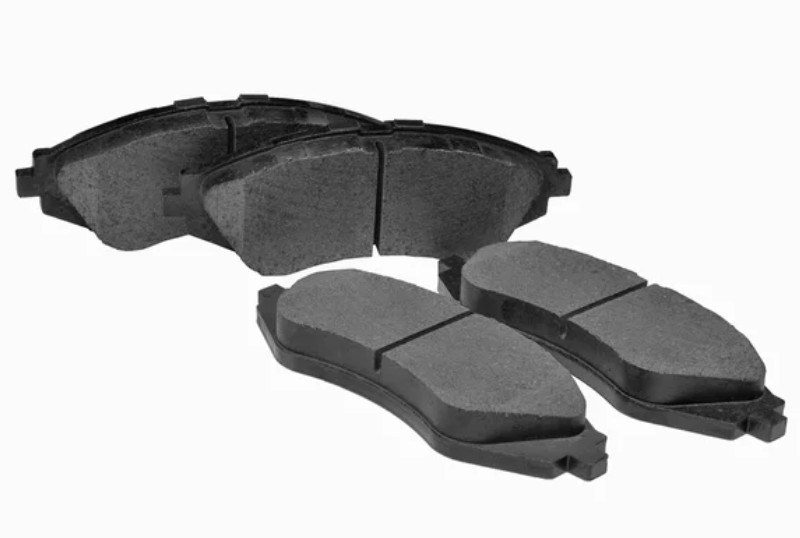
Understand automobile brake pads as the sneakers of your braking system—just instead of cushioning your feet, they’re stuck and slowing down huge wheels moving at high rates. Small bits of friction material housed in the brake calipers, these fit against the rotors when a driver floors the brake pedal. The result? The car slows or stops.
Brake pads can last between 30,000 and 70,000 miles. Typical brake pads will last between 3 and 7 years.
They’re so easy to forget because they operate in the background without requiring much recognition. The next time one hears someone complain that their brakes are squealing or feels a strange vibration when one braked, one can be sure it’s time to pay attention to those pads.
Why Should Anyone Care About Brake Lining?
That’s where it gets serious. These pads are not some loose car part lying around in a greasy mechanic’s toolbox. They’re absolutely necessary for safety. Imagine a car with good brake lining: it’s like trying to stop a freight train with a wet noodle. That’s not just annoying; it’s dangerous.
DON’T Buy The Wrong Brakes! In this video, we break down the EBC Brakes lineup, from OEM replacements to track-ready performance pads. These small but mighty car parts help keep everyone safe and sound on the road.
Beyond safety, dead brake lining can cause other issues that nobody desires—a cacophony of ugly screeching noises, expensive damage to the rotors, or that sinking feeling when the brakes are “off.” It’s one of those things where a little preventative maintenance can prevent a lot of headaches (and dollars) in the future.
The Many Types of Brake Lining
Here’s something interesting: not all pads are created equal. Just like selecting the correct shoes for a jog, motorists have choices based on how and where they drive. Organic pads consist of a blend of natural compounds and resins.