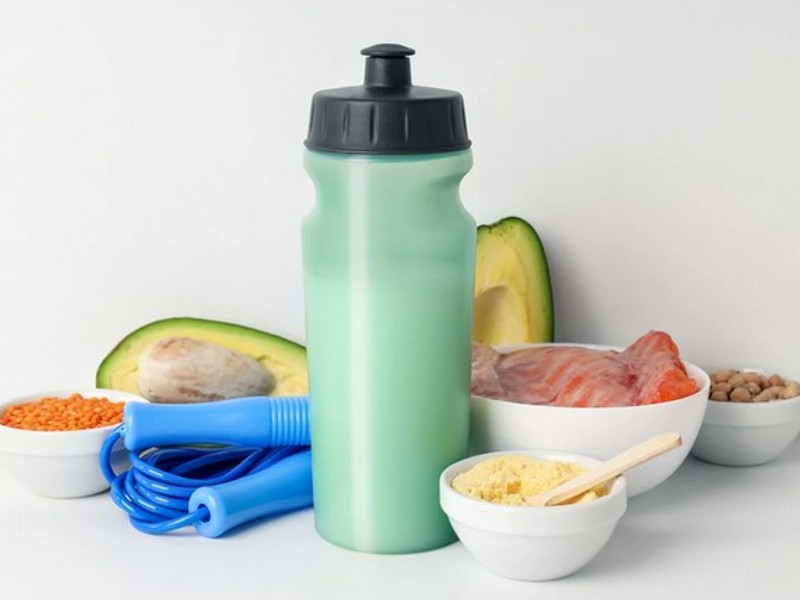
Sports nutrition is more than the right food; it’s about the timing, quality, and knowing what fuels the body for the peak athletic performance. Mastering the art of nutrition for athletes can lead to more endurance, faster recovery, and reduced risk of injury, be it a weekend warrior or an elite professional. Here’s a guide to the essential sports nutrition principles that help athletes maximize their performance.
Table of Contents:
Why Sports Nutrition Matters
Proper nutrition forms the core importance to the athlete’s performance and recovery capability. Of course, it is food that provides all those required vitamins and minerals, proteins, fats, and carbohydrates for building endurance and strength.
Ideally, sports nutrition helps ensure proper body weight; enhances fast recovery; saves from fatigability and dizziness; and increases one’s capability for concentration.
Which Omega-3 is good for sports? (5 Benefits for Athletes)
Key Macronutrients for Athletes
Every single macronutrient has a unique contribution to athletic performance:
Carbohydrates
These are the primary sources of energy, especially when one is involved in strenuous workouts. Carbs are stored in muscles and the liver as glycogen, which is easily broken down to give instant energy. It has been proven that adequate levels of glycogen equal energy and endurance over a workout. Complex carbohydrates sources, such as whole grains, oats, and quinoa, can be considered good options for athletes because they keep the supply of energy steady rather than spiking blood sugar.
Proteins
Proteins will help repair the tiny tears muscles create from intense physical activities, making muscles grow and stronger. Good sources of lean proteins are chicken, fish, legumes, and plant-based sources like tofu. These sources are rich in essential amino acids without saturated fats.
Athletes require higher amounts of high-quality protein in their sports nutrition (1.2–2.0 g/kg/day) compared to non-athletic adults.
Fats
Healthy fats, such as those from avocados, nuts, seeds, and olive oil, are important for cell structure and hormone production. They are a favorite source of energy for low-to-moderate intensity exercise. Omega-3s in fish, chia, and flaxseeds, among others, also reduce inflammation necessary for recovery.